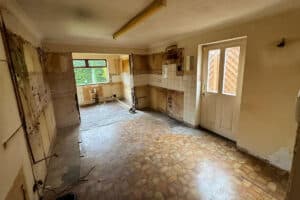
A simple guide to help providers and investors understand what types of homes you can ethically invest in with Project Homes Gateway’s help. These brief overviews will give you an understanding of which areas we operate in.
Children’s Homes (Ofsted-Registered)
What it is: A residential setting providing full-time care and support for children and young people (usually aged 5–17) who are unable to live with their families.
Who it is for:
- Looked-after children placed by local authorities
- Children with complex emotional, behavioural, or trauma-related needs
Main rules & regulations:
- Must be registered with Ofsted under the Children’s Homes (England) Regulations 2015
- Requires a Registered Manager and a Responsible Individual
- Must comply with the Children’s Homes Quality Standards & National Minimum Standards (NMS)
- Requires a Statement of Purpose, staff vetting, care planning, and safeguarding procedures
🔗 https://www.gov.uk/guidance/register-a-childrens-home
Supported Living (CQC-Regulated)
What it is: Independent living in a home (often rented) where individuals receive care and/or support to help them live as independently as possible.
Who it is for:
- Adults (18+) with learning disabilities, autism, mental health needs, physical disabilities, or other long-term support needs
Main rules & regulations:
- The property is not regulated, but the care service is regulated by the CQC
- CQC registration required if ‘personal care’ is being provided
- Providers must meet CQC’s Fundamental Standards, with inspections and quality ratings
- Properties must comply with HMO/fire safety standards if applicable
🔗 https://www.cqc.org.uk/guidance-providers/supported-living
Supported Accommodation (16–17 Year Olds)
What it is: A newer regulated setting introduced in 2023-2024 for older children in care or care leavers who do not need full-time care but still require support.
Who it is for:
- Young people aged 16 or 17
- Often in transition from care to independence
- Includes semi-independent homes and flats with keyworker-style support
Main rules & regulations:
- Now regulated by Ofsted under the Supported Accommodation (England) Regulations 2023
- Must register as a Category 1–4 supported accommodation provider
- Requires a lead individual, staff training, safeguarding policies, and provider statements
🔗 https://www.gov.uk/government/publications/supported-accommodation-inspections-by-ofsted
Shared Lives (Family-Based Support)
What it is: A care model where adults with support needs live in a family home with a trained carer, similar to foster care for adults.
Who it is for:
- Adults (18+) with learning disabilities or mental health conditions
- Often long-term or respite placements
Main rules & regulations:
- Must be registered with the CQC
- Shared Lives schemes are usually run by councils or charities
- Carers must be vetted, trained, and monitored
🔗 Home – Shared Lives Plus
Residential Care Homes (CQC-Registered)
What it is: A group living arrangement offering 24-hour personal care in a communal setting (not nursing care).
Who it is for:
- Adults or older people with physical or cognitive needs
- Not suitable for those needing full nursing care
Main rules & regulations:
- Regulated by CQC as residential adult social care
- Must meet health & safety, staffing, medication and safeguarding standards
- Often overlaps with supported living models if delivered under CQC registration
🔗 Adult social care: information for providers – Care Quality Commission
Emergency & Crisis Care Provision
What it is: Short-term placements, usually 24–72 hours, for children or adults in urgent need of accommodation and safety.
Who it is for:
- Looked-after children needing immediate care
- Adults in mental health or safeguarding crisis
- Victims of exploitation, trafficking, or breakdowns in placement
Main rules & regulations:
- If for children: must be Ofsted-registered as a children’s home
- If for adults: must comply with CQC regulation if care is provided
- Emergency HMO or C3/C2 planning status may be required